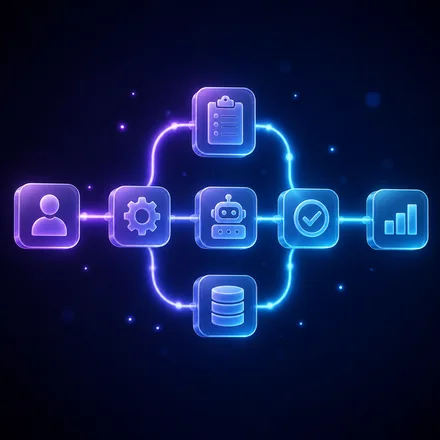
Built around how Chapter 7 cases actually move
Chapter 7 bankruptcy software needs to move quickly and accurately, because most of the eligibility and asset picture has to be right before the case can proceed. AppQuell designs Chapter 7-track workflows for U.S. consumer bankruptcy firms — not a generic case-management template repurposed for filing.
That typically includes:
- A guided debtor questionnaire that branches onto the Chapter 7 (liquidation) path early
- Structured means test data collection — income, household size, and expenses — reviewed by staff before it reaches petition prep
- Document requests scoped to what a Chapter 7 file actually needs: pay history, tax returns, bank statements, and asset/exemption detail
- Automatic extraction from paystubs and credit reports so staff aren’t re-typing the same numbers (see how it works)
- Clear incompleteness flags so paralegals catch missing income or asset documentation before it delays the case
Where Chapter 7 differs from Chapter 13 in the software
Chapter 7 is asset/eligibility-driven and moves on a shorter timeline; Chapter 13 is repayment-plan-driven and runs over several years with ongoing plan-payment tracking. That difference should show up in the software, not just in paperwork:
- Chapter 7 intake weights means test and exemption questions earlier and harder
- Chapter 7 document requests focus on a snapshot (income, assets, debts at filing) rather than an ongoing repayment schedule
- Case status and staff queues for Chapter 7 are usually shorter-lived, so throughput per staff member matters more than long-run plan tracking
For the repayment-plan side of the practice, see Chapter 13 bankruptcy software.
Handoff into petition preparation
AppQuell doesn’t replace BestCase or Jubilee Pro for Chapter 7 petition preparation — we build the intake, document, and review layer that feeds them clean, staff-verified data instead of scattered PDFs and email threads.
Related capabilities
Pair a Chapter 7 workflow with bankruptcy intake software, document management, means test calculator support, and Chapter 7 & Chapter 13 workflows.
Discuss your Chapter 7 workflow
Frequently asked questions
How is Chapter 7 bankruptcy software different from general practice software?
Chapter 7 cases move fast and hinge on means test eligibility and asset/exemption accuracy up front. Software built for the chapter guides debtors through the right questions early, flags missing income or asset documentation, and keeps the file petition-ready instead of using generic matter templates.
Can the software help with means test data collection?
Yes. AppQuell can build guided means test data-collection workflows — income, household size, and expense inputs structured for staff review — that feed into your petition-preparation software rather than replacing the calculation itself.
Does this replace BestCase or Jubilee Pro for Chapter 7 filings?
No. We design intake, document, and portal layers that hand off clean, reviewed data into whichever petition software your firm already uses for Chapter 7 preparation.
Can Chapter 7 and Chapter 13 share one intake system?
Yes. Most firms want one guided intake that branches early into a Chapter 7 or Chapter 13 path based on the debtor's situation, rather than two disconnected systems. See our Chapter 13 bankruptcy software page for the repayment-plan side.
Do you build for high-volume Chapter 7 filers?
Yes. Multi-office role access, staff queues, and document-automation throughput are common requirements for firms filing Chapter 7 cases at volume.